
Dirt Bike Suspension Setup: Sag, Compression, Rebound
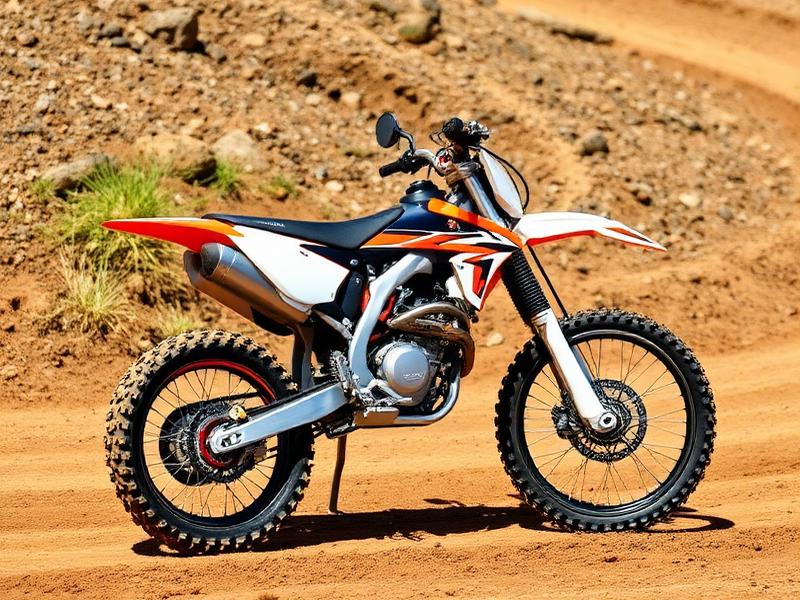
Quick verdict: Set rider sag to 30% of total travel. Set compression damping middle of range and adjust. Set rebound so the bike settles in one motion, not bouncing. Anything beyond that requires a dyno.
Step 1: Race sag (rider sag)
- Bike on stand, measure rear axle to a fixed point on the fender — call it L1
- Bike off stand with rider in full gear, on the bike in riding position — measure L2
- Race sag = L1 − L2
- Target: 30% of rear travel (e.g., 100mm on a bike with 330mm rear travel)
- Adjust preload on the shock spring (clockwise = stiffer / less sag)
Step 2: Free sag (static sag)
With the bike off the stand, no rider, measure L3. Free sag = L1 − L3. Target: 30–40mm. If free sag is too low (under 25mm), your spring is too stiff for your weight. If too high (over 50mm), spring is too soft.
Step 3: Fork sag
Same procedure on the front. Target: 30–35% of fork travel.
Step 4: Compression damping
Start at the middle of the adjustment range. Ride. If the bike feels harsh, soften compression 2 clicks. If the bike blows through the travel and feels uncontrolled, stiffen 2 clicks.
Step 5: Rebound damping
Push down on the rear of the bike and release. Bike should rebound to height in one smooth motion. If it kicks up past resting height: rebound too fast (soften). If it slowly creeps back: rebound too slow (stiffen).
Common setup mistakes
- Setting sag without rider gear weight
- Ignoring fork sag and only tuning rear
- Making compression and rebound changes at the same time
- Changing more than 2 clicks at a time
FAQs
Do I need a stiffer spring?
If free sag is under 25mm with race sag set correctly, yes.
How often to revalve?
Every 100 hours on used suspension, or whenever ride feel deteriorates.
Does suspension setup matter on a kid’s bike?
Less critical, but preload adjustment for rider weight still helps.